Why Selecting a Dependable Residential Electrician Is Vital for Your Safety
Choosing a dependable home electrician is vital for maintaining home safety. Electrical tasks requires accuracy and compliance with safety guidelines. Faulty installations can lead to serious dangers, including fires and shocks. A licensed electrician not only provides professional knowledge but also necessary credentials and coverage. Being aware of the hazards of DIY electrical work and the importance of hiring a professional can greatly impact household safety. What criteria should homeowners examine when selecting the right expert for their electrical concerns?
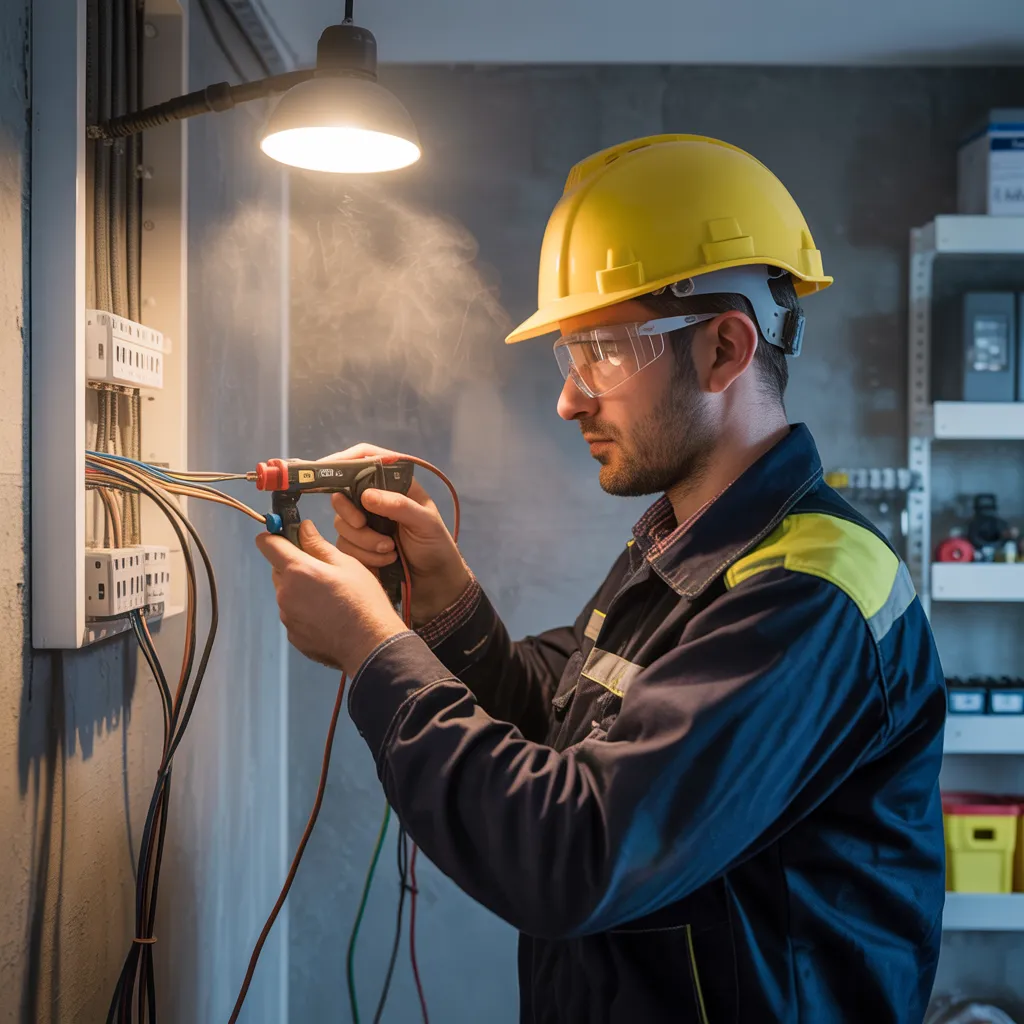
The Dangers of DIY Electrical Work
Undertaking electrical projects yourself can lead to significant risks that often exceed the potential savings. A large number of homeowners underestimate the complexities of residential electrical systems, which can lead to dangerous situations. Improper wiring, for example, can cause house fires, threatening the safety of lives and property. Furthermore, improper installation of outlets or fixtures may introduce hazards that are not immediately evident, creating ongoing safety risks.
Electrical codes and regulations exist for a reason, guaranteeing safety and compliance. A lack of adherence to these refer now standards can result in legal ramifications and complications during home inspections. Furthermore, undertaking DIY electrical projects can produce costly fixes if complications develop, negating any initial savings. Lacking the required expertise and background, homeowners risk missing essential elements, creating a more hazardous outcome. In the end, employing a dependable residential electrician is vital for securing both safety and compliance, providing peace of mind that only professional expertise can offer.
Frequent Electrical Issues That Demand Expert Attention
A great number of homeowners often encounter frequent electrical concerns that demand the knowledge of a qualified electrician. Flickering lights, commonly suggesting loose connections or faulty wiring, can present significant safety hazards. Additionally, constant circuit breaker interruptions may indicate electrical overloading or a short circuit, all of which necessitate urgent action. A further common problem involves dead outlets, which can stem from multiple causes, including wiring faults or faulty devices. Residents may also detect crackling or buzzing noises from switches and outlets, suggesting electrical arcing or damaged components. Furthermore, an unexplained increase in energy bills might suggest underlying electrical faults. To conclude, the presence of a burning smell near electrical fixtures should always be addressed, as it can suggest severe electrical risks. Addressing these issues promptly with the assistance of a qualified electrician ensures both the safety of the property and the durability of its electrical systems.
Guide to Selecting a Qualified Electrician
When hiring a licensed electrician, it is important to confirm their qualifications and certifications to confirm compliance with regional standards. Furthermore, assessing their skills and experience can offer valuable information about their capability to handle specific electrical tasks. This careful evaluation helps residents arrive at knowledgeable choices and prioritize safety.
Confirm Credentials And Licenses
To verify the quality and safety of electrical tasks, confirming the qualifications and licenses of a prospective electrician is essential. This process ensures that the electrician has completed the necessary training and education to execute electrical work competently and safely. A licensed electrician has passed specific exams and complies with regional and national electrical standards, which safeguards homeowners against potential risks. It is wise to request copies of licenses and verify their validity through regional regulatory authorities. Furthermore, checking any professional affiliations or credentials can additionally demonstrate expertise. By following these steps, homeowners can significantly minimize the risk of hiring unqualified individuals, thus improving both safety and overall satisfaction with the electrical services rendered.
Gauge Experience And Expertise
Determining the experience and expertise of an electrician is crucial for ensuring high-quality work. A skilled electrician should demonstrate a well-established background in residential electrical work, ideally with a number of years of real-world experience. This experience can be assessed through customer reviews, online reviews, or trade references. Moreover, advanced training or credentials, such as those in automated systems or sustainable energy solutions, can indicate a higher level of expertise. It is also helpful to explore past work comparable to the homeowner's needs, as this can reveal details about the electrician's problem-solving abilities and adaptability. Ultimately, hiring an electrician with a proven track record improves the likelihood of securing dependable and high-quality electrical work.
The Importance of Licensing and Insurance When Hiring an Electrician
Choosing a residential electrician requires thorough evaluation of a number of factors, with licensing and insurance standing as critical requirements. A credentialed electrician showcases a level of professional conduct and compliance with industry standards, confirming they hold the essential expertise and skills to carry out electrical tasks in a safe and competent manner. A license also functions as a protective measure for residents, as it commonly necessitates passing examinations and ongoing education.
Insurance is equally important, covering both the electrical professional and the homeowner. Should accidents or damages occur during a project, insurance can address repair costs and liability claims, minimizing financial risk for homeowners. Without proper insurance, homeowners may be held responsible for injuries or property damage. Therefore, confirming an electrician's licensing and insurance is essential for guaranteeing a safe and dependable electrical installation, ultimately contributing to the overall safety and integrity of the home's electrical system.
Essential Maintenance Tips for a Safe Home Electrical System
Regular maintenance is essential for guaranteeing a safe home electrical system. Residents should regularly examine outlets and switches for any evidence of wear or malfunction, such as color changes or excessive heat. It is also advisable to check circuit breakers to verify they are working as intended and to restore any tripped breakers without delay. Maintaining electrical panels free from dust and debris can improve safety and ease of access in emergency situations.
Additionally, homeowners ought to avoid overloading circuits by distributing electrical loads evenly across outlets. Using surge protectors can help safeguard appliances from voltage spikes. Periodically testing smoke and carbon monoxide detectors is critical, as they are integral to home safety. Lastly, engaging a certified electrician for routine annual checkups can uncover potential concerns in advance and guarantee the electrical system functions efficiently, preserving a safe living environment for all members of the household.
Evaluating Customer Reviews: What to Look For?
When seeking a trustworthy household electrician, consumer feedback serves as an essential guide for arriving at educated choices. Future clients should focus on specific aspects within these reviews to gauge the electrician's expertise and trustworthiness. To begin, look for comments on the caliber of work delivered; regular acknowledgment of cleanliness and diligence signals excellence. Additionally, evaluate the electrician's communication skills; reviews highlighting timely responses and clear explanations demonstrate a high level of professionalism.
Moreover, factor in feedback on timeliness and compliance with project timelines, as this indicates the electrician's respect for clients' time. Finally, take note of how complaints are handled; a conscientious electrician displays a emphasis on customer satisfaction. By assessing these critical aspects in customer reviews, clients can better identify electricians who focus on excellence and safety in their work.
Frequently Asked Questions
What Qualifications Should I Consider When Choosing an Electrician?
When selecting an electrician, it is important to prioritize qualifications such as appropriate licensing, proper insurance, relevant certifications, expertise in residential projects, strong client testimonials, and conformity to safety requirements. These elements ensure consistency and excellence in electrical services.
How Can I Verify an Electrician's Credentials?
To validate the credentials of an electrician, one should review valid licensing, adequate insurance, and relevant certifications. Additionally, checking online reviews and asking for referrals from reliable sources can give you a clearer picture of their reliability and expertise.
What to Expect During an Electrical Inspection?
Throughout an electrical inspection, homeowners can anticipate a thorough evaluation of outlets, panels, and wiring. The electrician will check for safety hazards, code compliance, and conduct essential tests to confirm the system functions properly and efficiently.
In What Ways Do Electrical Codes Affect My Home?
Electrical standards establish safety guidelines that guarantee installations remain safe and effective. They guide wiring, grounding, and equipment specifications, working to prevent dangers like fires and electrical shocks, ultimately securing both property and residents.
What Are the Signs of a Good Electrician?
A reliable electrician exhibits punctuality, has relevant certifications, communicates effectively, provides detailed estimates, and exhibits strong problem-solving skills. Furthermore, favorable client feedback and a strong guarantee on completed work serve as important signs of dependability and expertise.
Comments on “Helpful Tips to Hiring an Oklahoma City Residential Electrician”